
For a moment, it seems like the whole world stops when you’re diagnosed with a chronic illness. Once the dust settles and you’ve processed what it all means, you realize you’ve got some work ahead. True healing often asks us to look at the habits that may have contributed to imbalance.
There is no shortage of information about popular diet trends today. One that is often discussed is the Paleo diet. Many within the Paleo community point to gut inflammation as the result of a complex interaction between genetics, environment, antibiotic use, stress, and diet. What makes the Paleo approach appealing to many is its focus on reducing inflammatory triggers and supporting the body’s natural healing processes.
Food Truly Does Matter
Examples of pro-inflammatory foods may include refined grains, foods that contain trans fats, and refined sugars. In recent years, many people have also discovered sensitivities to gluten and wheat, which can contribute to chronic inflammation for a significant portion of the population. Mark Hyman of the Cleveland Clinic has written extensively about inflammation and its impact on overall health. He suggests that many people experience delayed reactions to foods that do not agree with them, which may contribute to symptoms such as fatigue, brain fog, digestive discomfort, joint pain, skin issues, mood challenges, and weight concerns. Eating foods that trigger these reactions may contribute to inflammation.
The Paleo diet eliminates refined sugars, processed grains, legumes, and often dairy. Instead, it emphasizes fruits, vegetables, fish, meat, poultry, and healthy fats.
Note: Some stricter Paleo approaches may limit or restrict fruit. In this post, I’m referring to a more modified Paleo-style approach.
Balancing Paleo Eating
I am a fan of the Paleo diet and have seen meaningful improvements in many people who follow this way of eating. At the same time, I also value the role of raw, living foods. Some people view Paleo as overly focused on meat and fat, which can feel off-putting at first. There is also a long-standing belief that fat automatically leads to weight gain, when for many people, refined grains and sugars may play a much larger role in imbalance.
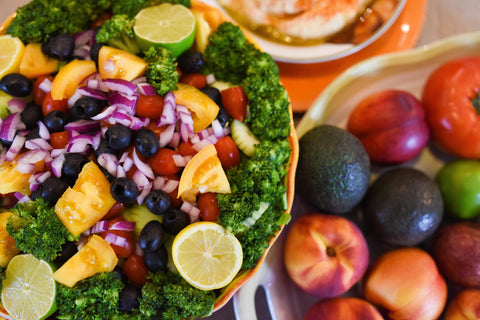
Fresh vegetables and fruits are essential to dietary balance. Personally, I think of my approach as a blend of raw and Paleo eating. You might call it “Raw-eo.”
Can Raw, Living Foods Support Chronic Illness Recovery?
When I think of raw foods, I think of nourishment and vitality. Through years of learning about autoimmune health concerns, I have found that raw foods, especially vegetables and fruits, have played an important role in my own healing journey.
Some believe that heating foods beyond certain temperatures can reduce naturally occurring enzymes that support digestion. For me, increasing raw foods has resulted in more energy, fewer digestive issues, improved mood, and a greater overall sense of wellbeing.
Who May Benefit from Eating More Raw Foods?
Raw foods may be supportive for individuals experiencing:
- Autoimmune health concerns
- Fatigue
- Chronic migraines
- Chronic pain
- Food sensitivities
- Mood disorders
- Weight challenges
Should Raw Foods Ever Be Avoided?
It’s important to mention that raw foods can be supportive for many people, but they may not feel appropriate for everyone at all times. Individuals who are pregnant, immunocompromised, or experiencing significant digestive challenges may find that cooked foods are easier to tolerate. As always, it’s important to listen to your body and discuss with your physician what may be most supportive for your current health needs.
Strategies: How to increase Raw/Paleo foods into your diet
Invest in a high-quality blender. There’s no better way to pack raw fruits and veggies into your system than to whip up a healing smoothie! A quality high speed blender can really revolutionize your mornings. It grinds up EVERYTHING to perfection, so not only can you make more smoothies for breakfast, but also fresh soups for lunch and dinner, raw nut milks and purees, the possibilities are endless.
Pick a day for planning. I take an hour on Sunday to map out a week’s worth of meals for my family, looking up recipes and making my shopping list. As you begin to build a database, this task becomes quicker and easier. When you find something your family really loves, add it to your “Top 10” list to pull out when you’re stumped for what to make. Planning ahead is a great strategy for avoiding “emergency” pizza orders and drive-thru stops.
Prepare in bulk. Make meals in larger batches. Instead of making just enough for one meal, cook a little extra and pack it into ready-to-go lunches. Having food prepared ahead of time makes it easier to eat well and less tempting to rely on quick convenience options when your energy is low.
Have emergency snacks on hand. There will always be days when the unexpected comes up. It’s always good to have items like nuts, apples, sunflower seeds, spicy kale chips, paleo style muffins, or other homemade options ready to go. Check out these raw recipes from The Raw Food Kitchen and Fully Raw Kristina. Also, there are some wonderful Paleo snacks available today such as these grain free crackers from Simple Mills.
Find Support. You do not have to do this alone. Cooking or prepping with a friend can turn meal preparation into something enjoyable and supportive rather than stressful.
Resources and More Info:
http://www.marksdailyapple.com/nightshades/#ixzz3u1XlOYT7
http://www.living-foods.com/faq.html
http://stopandbreathe.com/2010/12/16/the-more-you-cook-the-better-you-look/
http://www.thekitchn.com/how-to-make-almond-milk-at-home-cooking-lessons-from-the-kitchn-189996
http://www.fullyraw.com/recipes-list/juices-smoothies/
https://therawfoodkitchen.com/recipe_category/snacks/
http://www.alissacohen.com/raw-food-diet_faqs.html
http://www.enzymeessentials.com/HTML/tour_3.html
https://draxe.com/raw-food-diet/
https://www.cancertutor.com/rawfood/
https://www.ncbi.nlm.nih.gov/pubmed/16177198
Disclaimer: The information shared in this post is intended for educational and informational purposes only and is not meant to replace personalized medical advice, diagnosis, or treatment. Nutrition and dietary needs can vary greatly from person to person. Always listen to your body and consult with a qualified healthcare professional before making any changes to your diet, especially if you are pregnant, under 18 years of age, immunocompromised, managing a medical condition, or taking prescribed medications.
Photo Credit: Renee Dee
Leave a comment